

Choose sides that work together
Start with the family favorites people would miss, then fill gaps in flavor and texture. Choose a mix of oven, stovetop, and cold dishes so the main course does not compete with every side for the same space.
For a small table, two or three sides may be plenty. A larger gathering may enjoy more variety, but each extra dish adds preparation and serving work. Choose what fits your guests, equipment, and time.
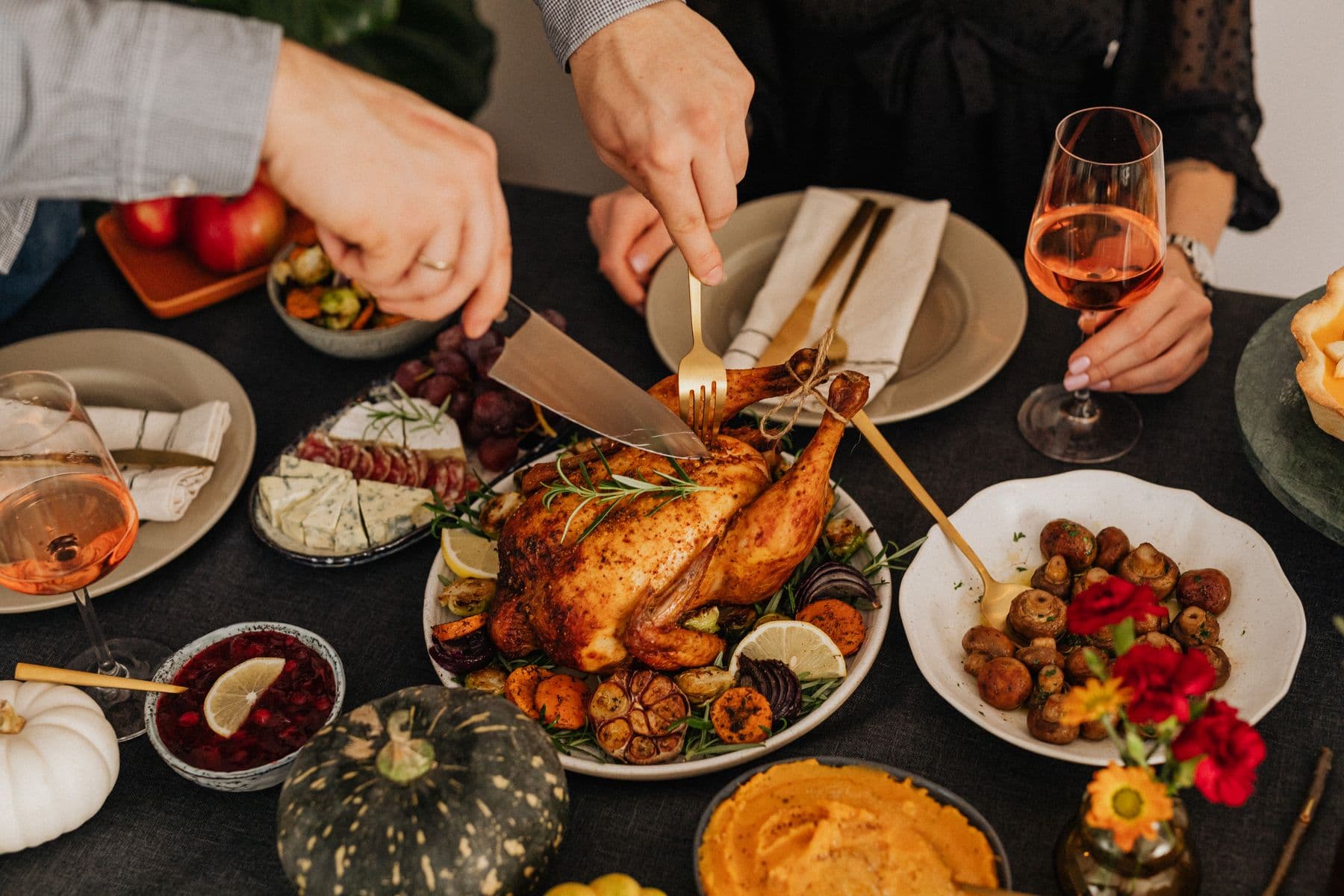
Photo by www.kaboompics.com on Pexels
Estimate portions for your table
With a main course and several sides, start with approximately ½ cup of each side per adult. The table estimates the total for one side dish, not the whole menu. Multiply by the number of sides only if you need the combined volume; compare each total with that recipe's yield.
Adjust for your guests: children may eat smaller portions, hearty appetites or a particularly popular favorite may need more, and a table with many sides may need less of each. Add extra if you want leftovers. Bread is separate; one or two rolls per person is a starting point.
Ask about allergies, dietary needs, and cross-contact before choosing dishes. Check stocks, butter, and packaged ingredients, and use separate utensils where needed. Offer a substantial option for guests who cannot eat the main dish.
| Adults | Amount per side |
|---|---|
| 4 | 2 cups |
| 6 | 3 cups |
| 8 | 4 cups |
| 10 | 5 cups |
| 12 | 6 cups |
Make an oven plan before you shop
List each dish's oven temperature, cooking time, pan size, and serving time. Put the main dish on the schedule first; then work backward from the meal to see when racks are available. Do not assume crowded pans cook on the same schedule as a single pan.
If the oven is full, choose one side for the stovetop and another to serve cold or at room temperature when its recipe allows. A family favorite can still have the oven; another dish may be easier to replace or ask a guest to bring.
A simpler way to keep everything together
Give the recipes you love a real home
Home Cooked lets you collect recipes into cookbooks, add the notes that make them yours, and share individual recipes or a whole cookbook when the plan and your family’s needs make that a good fit.
Keep your family recipes togetherA worked example for a 5 p.m. meal
Imagine a host serving eight adults, a main dish, and four sides. The main dish occupies the oven for most of the afternoon. This is a planning illustration, not a cooking or food-safety prescription: use your own recipes' times, temperatures, and safe-storage instructions, along with current food-safety guidance.
The host budgets about 4 cups of each side as a starting point, adjusts for known favorites, and checks each recipe's yield. The casserole gets the available oven window after the main dish comes out, only if its actual recipe and the schedule fit.
- Before the day: prepare cranberry sauce ahead if its recipe permits; plan it as a cold side.
- Afternoon: reserve the oven for the main dish and use the stovetop for mashed potatoes and green beans.
- After the main dish comes out: use the available oven space for the casserole if it can finish by serving time. If not, choose another stovetop or cold side, or arrange for a guest to bring it ready to serve.
- Before 5 p.m.: follow each recipe's safe handling and serving instructions, move the sides to their serving dishes, and allow a little buffer for delays.
A sides preparation timeline
Work backward from your serving time. Make-ahead steps depend on the particular recipe and safe storage; use this as a checklist to adapt, not a fixed cooking schedule.
- One week before: confirm the guest count and dietary needs; choose the sides, collect recipes, and ask what guests plan to bring.
- Five or six days before: compare recipe yields with your portions, check the pantry, and make a shopping list. Map the oven, stovetop, refrigerator, and equipment space.
- Two or three days before: shop and make any sauces or cold dishes that your recipes allow you to prepare and store ahead.
- The day before: wash or prep vegetables and assemble dishes only where the recipe allows; label serving dishes and utensils.
- Thanksgiving morning: review the schedule and ingredients, then prepare any make-ahead components according to their recipes.
- Before serving: follow your oven plan, finish stovetop and fresh sides, transfer everything to serving dishes, and leave a small buffer for the unexpected.
A quick host checklist
A short check before shopping can save a scramble when the main dish is already in the oven.
- Confirm the guest count, allergies, dietary needs, and any cross-contact precautions.
- Collect recipes and compare their yields with the amount you want of each side.
- Check oven racks, temperatures, stovetop burners, pans, and refrigerator space.
- Set aside serving dishes and a suitable utensil for each side, including separate utensils where needed.
- Confirm what guests are bringing, when it will arrive, and whether it needs oven or refrigerator space.